
A place shaped by people
Timeline
Follow Pleasley Pit’s journey from a working colliery to a place of restoration, discovery and community.
Explore the story
Jump to an era or follow the milestones in order. The story moves from mining and closure to the volunteers, repairs and discoveries that brought the pit back to life.
1872–1947
The working colliery
Sinking shafts, reaching coal and building an industry that shaped the local community.
1872
Work begins on the shafts
The Stanton Coal and Iron Works Company began sinking the mine shafts. The lease had been granted by landowner William Edward Nightingale, father of Florence Nightingale.
1875–1877
Coal is reached; flooding is tackled
Coal was reached in 1875. Early flooding problems were addressed with a new pumping system in 1877, allowing the colliery to develop.
1947
Nationalisation
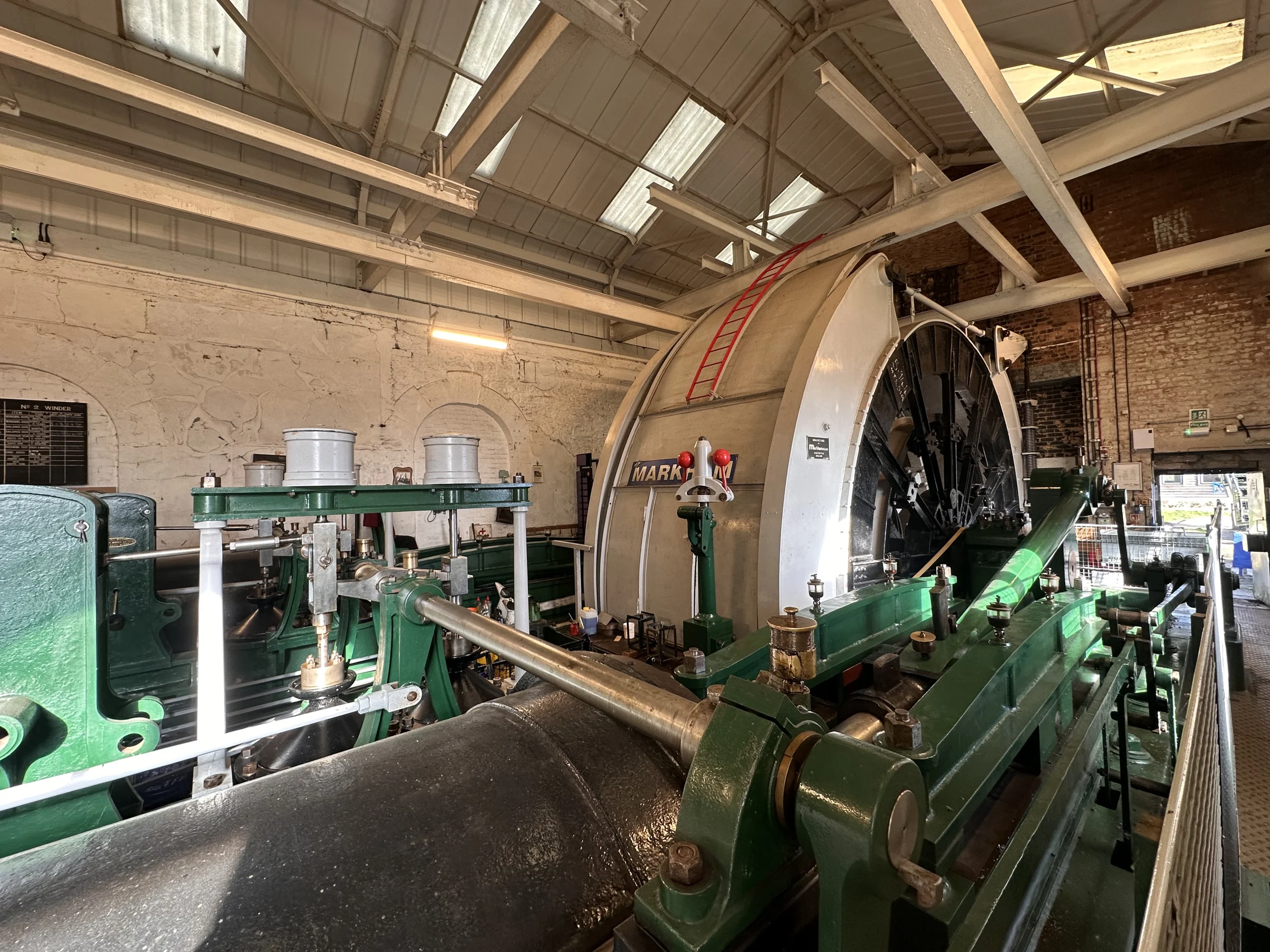
Ownership passed to the National Coal Board when Britain’s coal industry was nationalised. Pleasley became part of its East Midlands Division.
1979–1999
Closure, rescue and a new purpose
As mining ended, local people began the long task of protecting the buildings and giving the site a future.
1979
Coal takes a different route
Coal from Pleasley was diverted underground to Shirebrook Colliery by conveyor. The workforce transferred to Shirebrook while mining of Pleasley’s coal continued.
1983
The mine closes
The National Coal Board officially closed Pleasley Pit. Demolition removed many surface buildings, leaving the engine houses, associated headgear and South headstead buildings.
1985–1993
The shafts are filled and capped
The North shaft was filled in 1985. The South shaft remained an airway for Shirebrook until it was filled in 1992. In October 1993, the site was abandoned by British Coal and both shafts were capped.
1996
The Friends of Pleasley Pit begin
Following local regeneration efforts, volunteers formed the Friends of Pleasley Pit. They began clearing the derelict site, assessing the buildings and planning a future for the engines and headstocks.
16–17 November 1996
The first Open Weekend
Pleasley welcomed visitors for its first Open Weekend. Open days became a way to share the restoration work, attract support and raise funds for the site.
1997
Protection and urgent repairs
The booklet records recognition of the site as a scheduled monument. Work began on re-roofing the North engine house, and volunteers continued gathering equipment and securing the site.
1999
Restoring buildings and recording nature
The South engine house roof was completed. The growing collection gained mining artefacts, while the Pleasley Pit Nature Study Group was established to record and promote the site’s wildlife.
2002–2011
Bringing the pit back to life
Years of repairs, fundraising and practical ingenuity returned movement to the machinery and transformed the buildings.
2002–2003
New plans and painstaking repairs
A feasibility study explored a visitor centre, workshop, parking and landscaping. Restoration of the North engine continued, with replacement bearings, castings and other components made or refurbished.
19 December 2004
The North winding engine turns again
After years of restoration, the North winding engine’s 20-foot drum turned for the first time since 1986. An electric drive powered the restored machinery.
2006–2008
Access and regeneration
An access road, landscaping and utility services were established in 2006. Further regeneration plans followed, and the booklet records the country park’s official opening in 2008.
2010
Major works transform the site
Ownership passed to the Land Trust. Contractors repaired and renovated the buildings and headstocks, reopened windows and installed services. Volunteers also developed a small café in the Sunday cabin.
2011
National recognition
Pleasley Pit received the Angels of Heritage award at a presentation in London. The award recognised the work to rescue the industrial site and give it a new future.
2012–2026
Sharing the story with new generations
Restoration continued alongside new displays, visitor facilities and ways to explore the pit’s history.
2012–2014
The South engine restoration continues
Volunteers removed and repaired components, cleaned and painted the machinery and worked towards bringing the South winding engine back into motion. The site also featured in television programmes about restoration.
2015
New machinery joins the collection
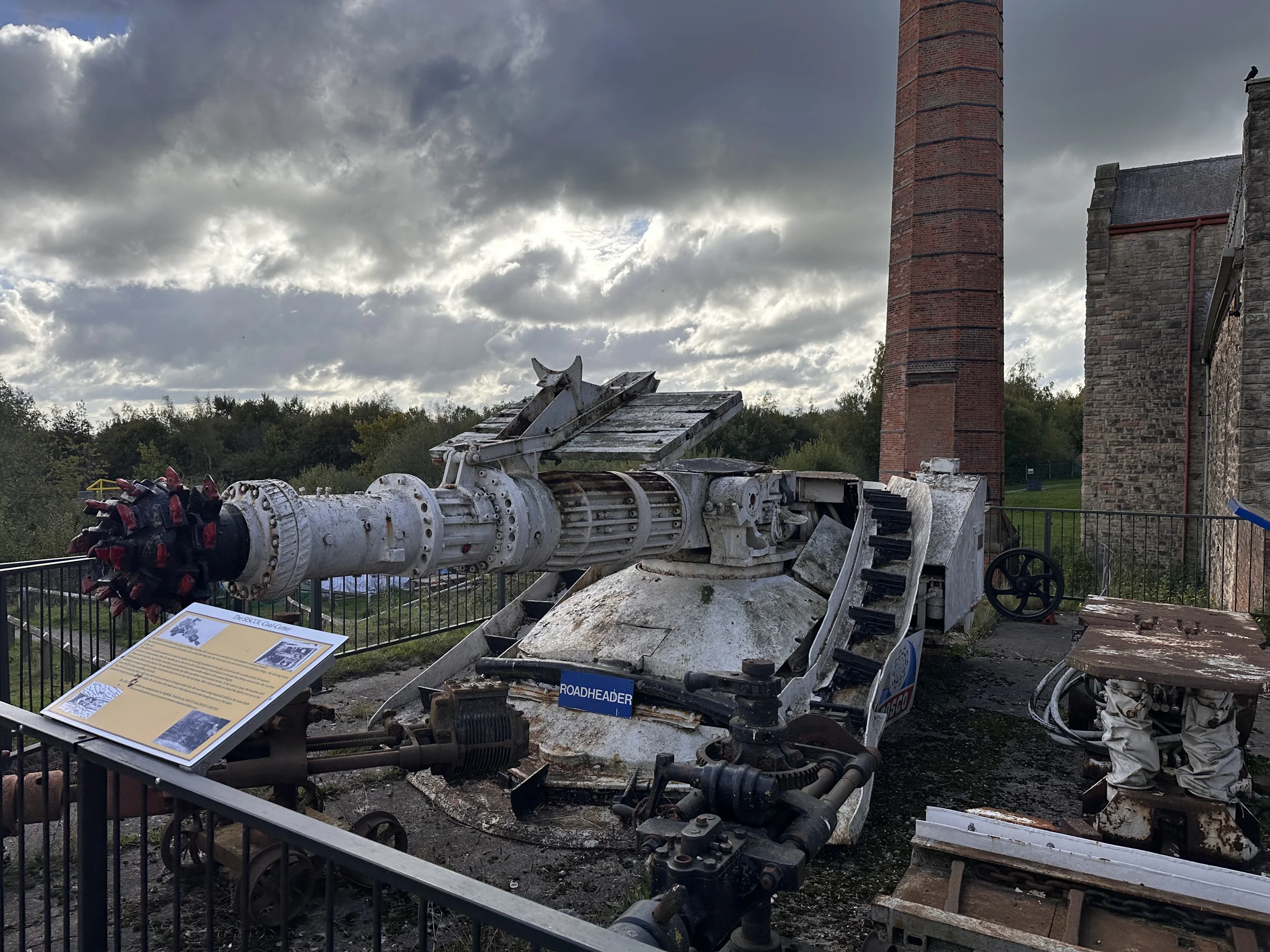
Equipment was acquired following the closure of Thoresby Colliery, including the Dosco roadway cutter. A bridge between the South engine house and pit top helped create a continuous visitor route.
2016–2017
Preparing the drive system
Volunteers improved the covered walkway, electrical supply and South pit top lighting. Design and construction work progressed on an electric drive for the South winding engine.
15 July 2018
The South engine runs for visitors
The South winding engine’s electric drive operated publicly for the first time. That year the pit also featured in the BBC’s Civilisations Stories, and historic telephone exchange equipment joined the collection.
2019–2020
Visitor facilities develop
Work towards new visitor and café facilities progressed. The new café opened in February 2020, before pandemic restrictions forced it to close a month later. Volunteers continued improving the museum and visitor routes.
9 July 2023
An anniversary celebration
An anniversary gala celebrated 150 years of Pleasley Pit. A specially brewed celebration ale marked the occasion, and restoration work continued on the South pit top headgear.
2024
New displays and a digital guide
Displays continued to grow, including a blacksmith’s display and a recreated underground face heading. A mobile museum guide was trialled and launched, giving visitors more information through QR codes.
2026
Thirty years of the Friends
The booklet celebrates three decades of the Friends of Pleasley Pit: the volunteers whose time, skills and commitment have helped preserve the buildings, restore the machinery and welcome visitors.

See the story for yourself
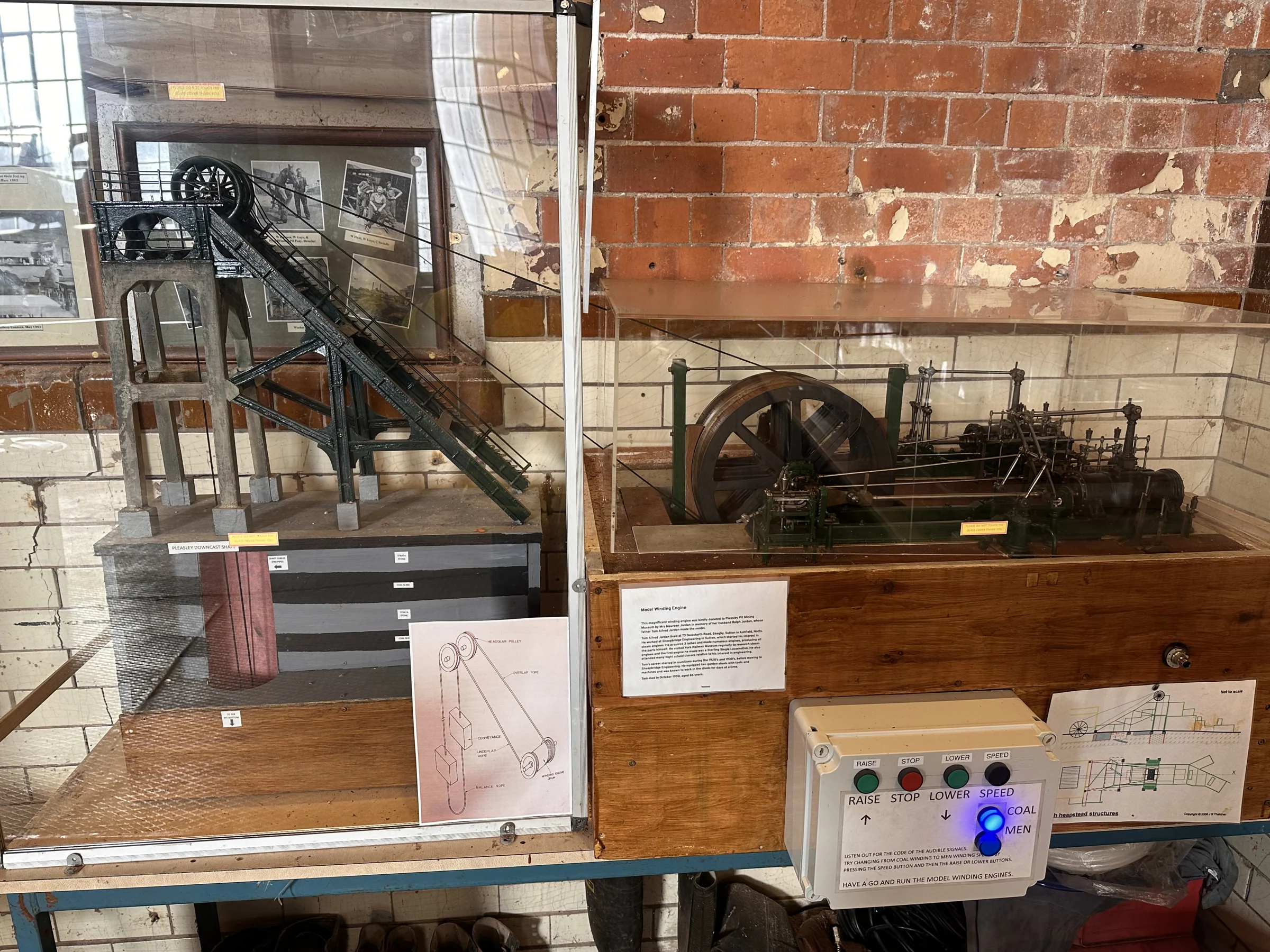
Explore the winding engines, models and displays in the museum, or find out how you can help care for the next chapter of Pleasley Pit’s history.
Compiled from the historical booklet supplied by Pleasley Pit Trust. Photographs on this page show the preserved site and collection today.